

Did you know? In a 2003 study of 22 university students, researchers found that acne severity and perceived stress both increased during examination periods. The findings suggest that psychological stress may aggravate acne in some people, although the small study cannot establish that stress alone causes breakouts.
Source: Chiu A, Chon SY, Kimball AB. Archives of Dermatology. 2003;139(7):897–900. Read the original study.
Have you ever noticed your skin breaking out before an important meeting, looking dull after several sleepless nights, or feeling more irritated during a particularly stressful week? These experiences may be more than coincidences. Your brain and skin communicate through a complex network of hormones, nerves, and immune signals, creating a relationship that researchers call the brain–skin axis.
Stress can influence how your skin behaves. Persistent acne, eczema, psoriasis, and other visible skin conditions can actually affect your mental health.
This relationship is a reminder that skincare is not simply about appearance. It can also be an opportunity to slow down, reconnect with yourself, and make self-care part of a healthier routine.
In recognition of World Mental Health Day, let’s explore the mechanism behind the brain–skin axis, understand the relationship between stress and skin health, and discover how choosing thoughtful skincare and professional treatments can complement a broader approach to well-being. At KulaniSpa, we also offer some services to manage the stress-skin connection under the guidance of our expert, Sabina Gordon, which may benefit you in one way or another.
Medical note: Skincare and spa treatments can support skin care and relaxation, but they do not replace mental health treatment or medical care for skin conditions. It is necessary to have a consultation with an expert before starting any treatment.
What Is The Brain–Skin Axis?
The brain–skin axis describes the two-way communication between the brain, nervous system, hormonal system, immune system, and skin. In simple terms, your emotional state can influence your skin, and what happens to your skin can affect how you feel.
Your skin is not just a protective covering. It also contains sensory nerve endings, immune cells, and structures that respond to hormonal and environmental changes.
Your brain coordinates all the responses to stress throughout your body, including those involved in skin inflammation and skin-barrier function.
How Does The Brain Communicate With Your Skin?
The Stress And Skin Health Connection
1. You Experience Stress
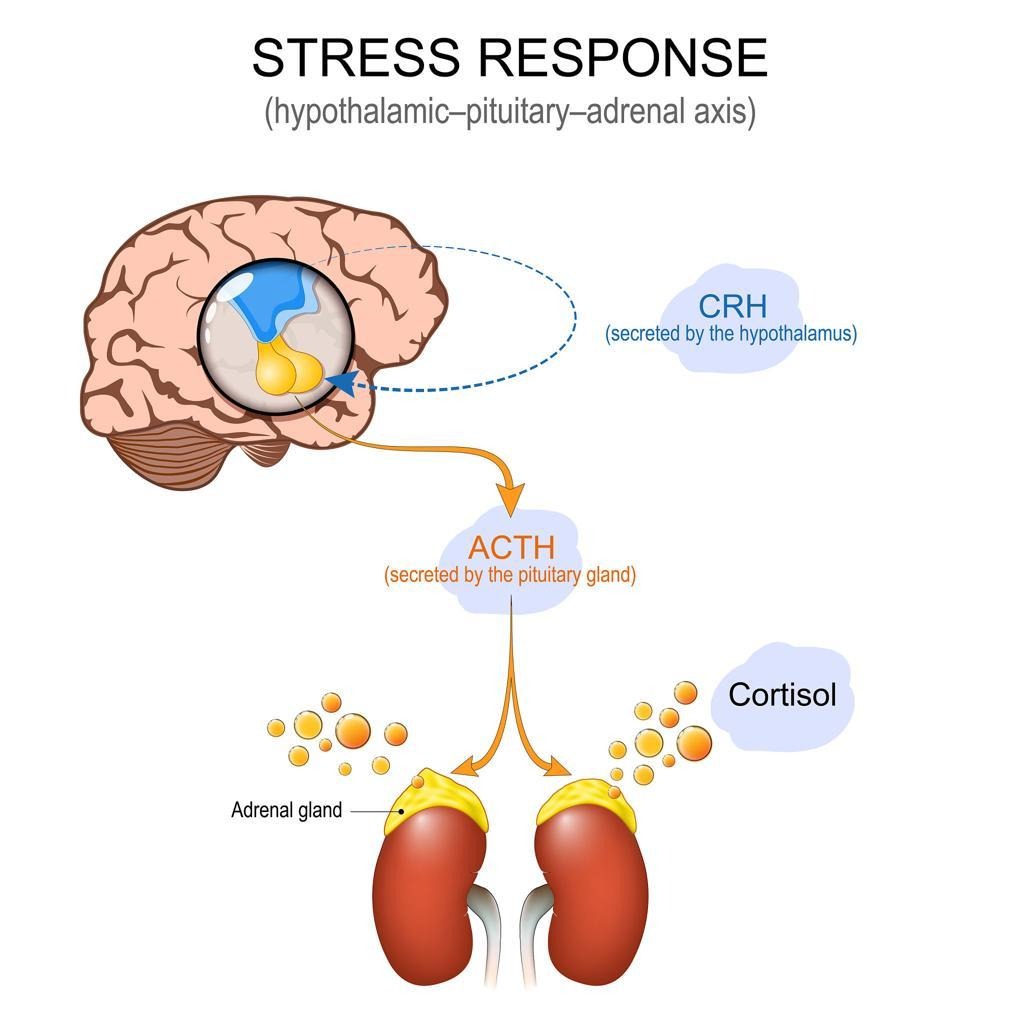
When you experience psychological stress, your brain and body activate interconnected stress-response systems, including the hypothalamic–pituitary–adrenal (HPA) axis and the sympathetic nervous system. These systems help your body respond to challenging situations and can influence processes involved in skin function.
2. Your Body Releases Stress Signals
When any sort of threat is perceived, the hypothalamus releases corticotropin-releasing hormone (CRH), which leads to the activation of the pituitary gland in the brain to release ACTH. This transmitter, ACTH, signals the adrenal glands to produce cortisol. Sympathetic nerves also release neurotransmitters such as noradrenaline.
3. Your Skin May Respond
Skin cells, sebaceous glands, immune cells and sensory nerves can respond to these stress-related hormones and neurotransmitters. Skin cells, including keratinocytes, melanocytes, sebocytes and immune cells, respond to different hormonal and neural signals. Research also indicates that the skin contains local neuroendocrine signalling mechanisms, including components related to the CRH system.
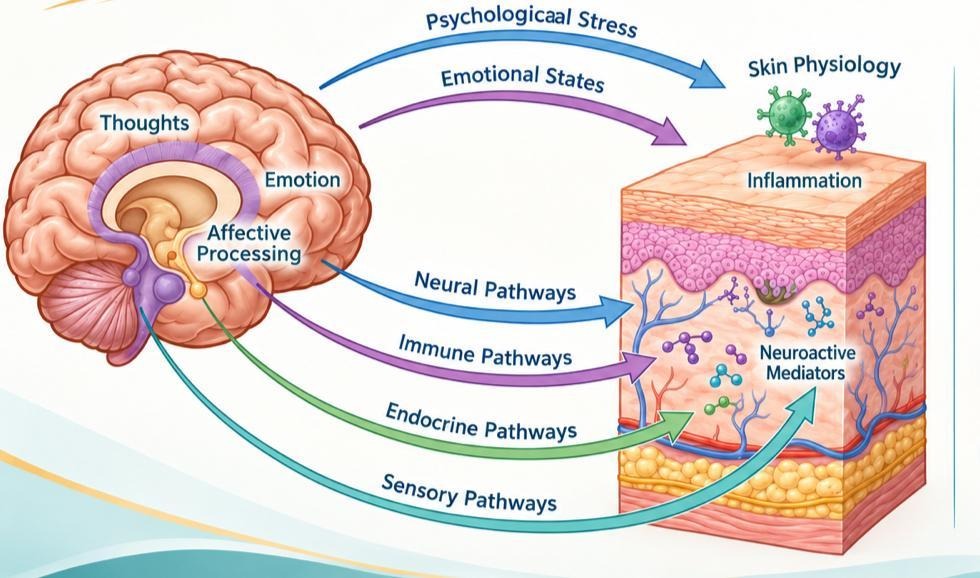
Depending upon the person’s body type and skin condition, this neuroendocrine signaling activates inflammation, sebaceous gland activity, disrupts skin-barrier function, itching, and wound healing.
Note: These effects do not occur identically in everyone, as every body behaves in its own way. That’s why everybody needs personalized care.
Acne Vulgaris is the most common skin disease treated by dermatologists, affecting an estimated 85% of the population at some time in their life.
Source: Chiu A, Chon SY, Kimball AB. Archives of Dermatology. 2003;139(7):897–900. Read the original study.
How Skin Conditions Can Affect Mental Health
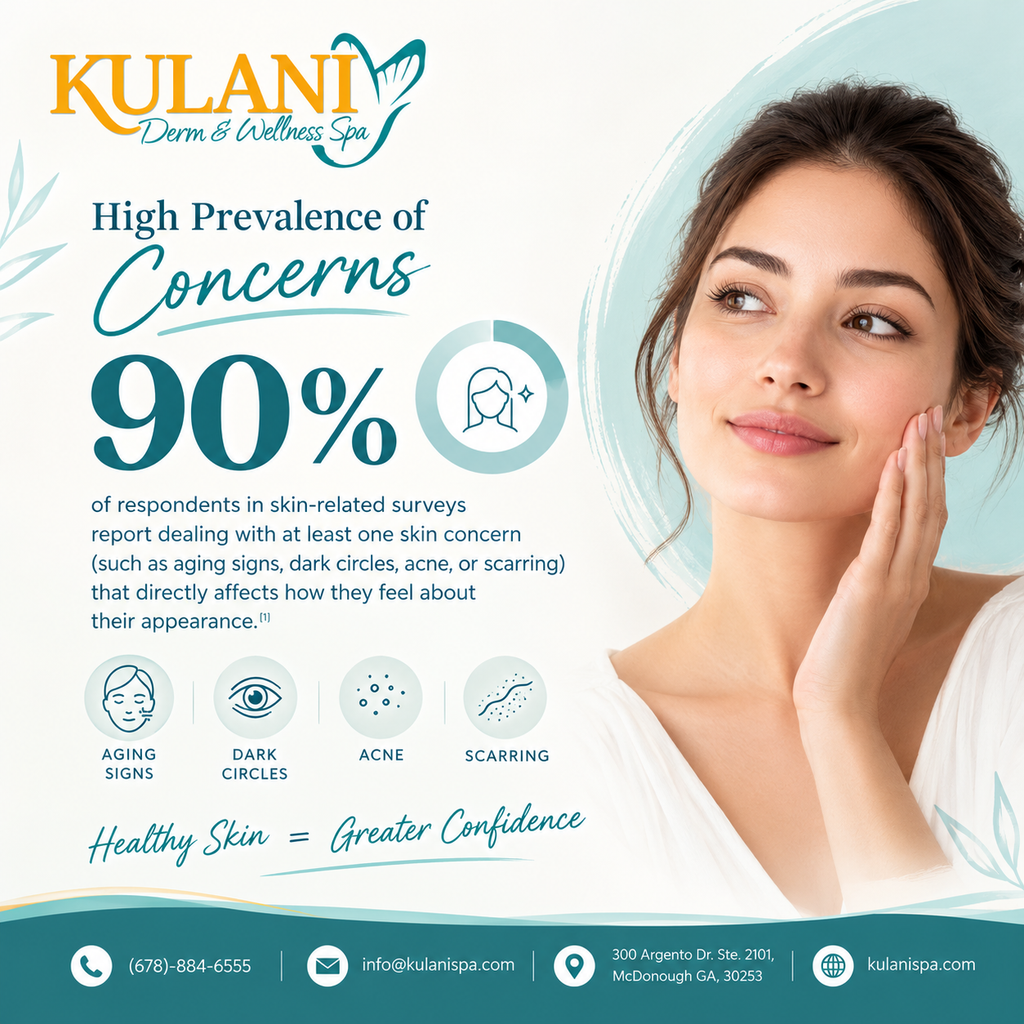
Have you ever cancelled plans or changed your mind because of bad skin or new breakouts? And you overthink it, in a way that this might make you feel uncomfortable in photographs, or worried that someone might notice irritated skin? You don’t want to be judged, but at the same time you do not know how to tackle the questions. These experiences can be emotionally draining, especially when a condition is difficult to control. You are not alone.
Acne, eczema, psoriasis, rosacea, and other visible skin conditions usually affect people in different ways. Symptoms such as itching, discomfort, redness, and recurring blemishes can become a daily source of frustration. Some people may also experience unwanted comments, social pressure, or unrealistic expectations created by filtered images on social media.
Instead of getting frustrated and losing your self-esteem, always remember that genetics, hormones, skincare products, environment, certain health conditions, and individual stress responses can all affect the outcome. Stress is only one possible contributor, not the explanation for every skin concern.
Why Self-Confidence And Skin Health Can Feel Connected
Self-confidence is shaped by far more than appearance. Nevertheless, when your skin changes in a way that feels difficult to control, you may become more aware of how others see you.
A thoughtful skincare routine can offer a sense of control over your skin and personal care. Learning what your skin needs, finding dermatologist-recommended skincare products, and seeking professional guidance can replace some of the uncertainty that often surrounds persistent skin concerns.
The goal is not to achieve flawless skin. It is to feel comfortable caring for yourself without allowing a temporary breakout, a scar, or a chronic condition to define your worth.
Can Good Skin Boost Your Confidence?
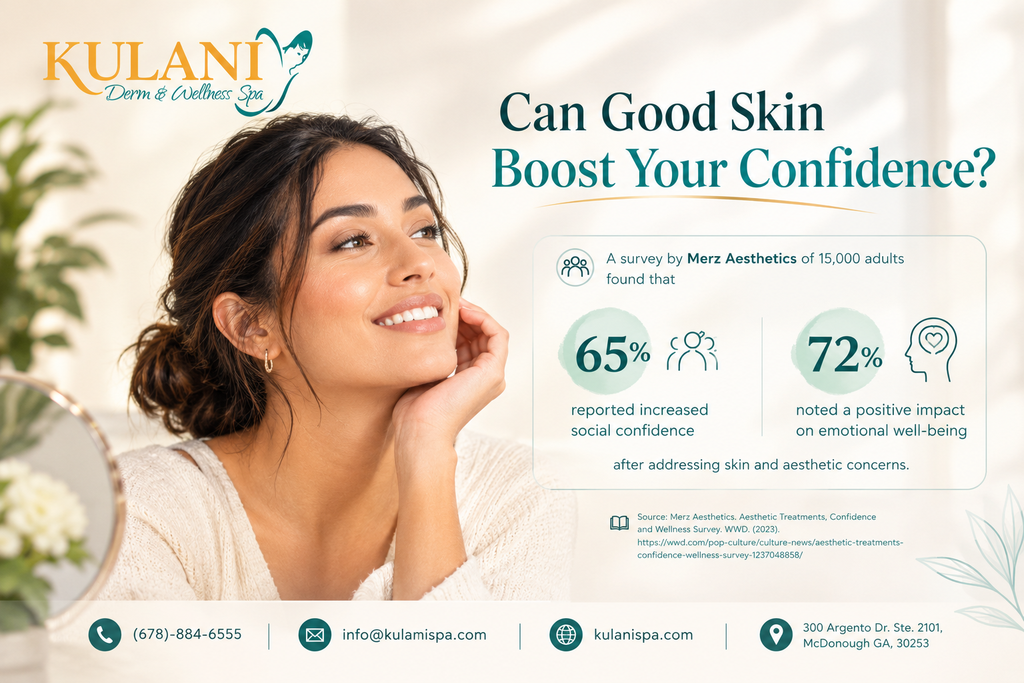
Let’s address a common question: Can improving your skin really help you feel more confident?
For some people, feeling more comfortable with their skin can reduce self-consciousness and make everyday social interactions feel easier. A skincare routine that addresses individual concerns may also create a sense of control over something that has felt frustrating.
How KulaniSpa Can Support Your Skincare And Self-Care Routine
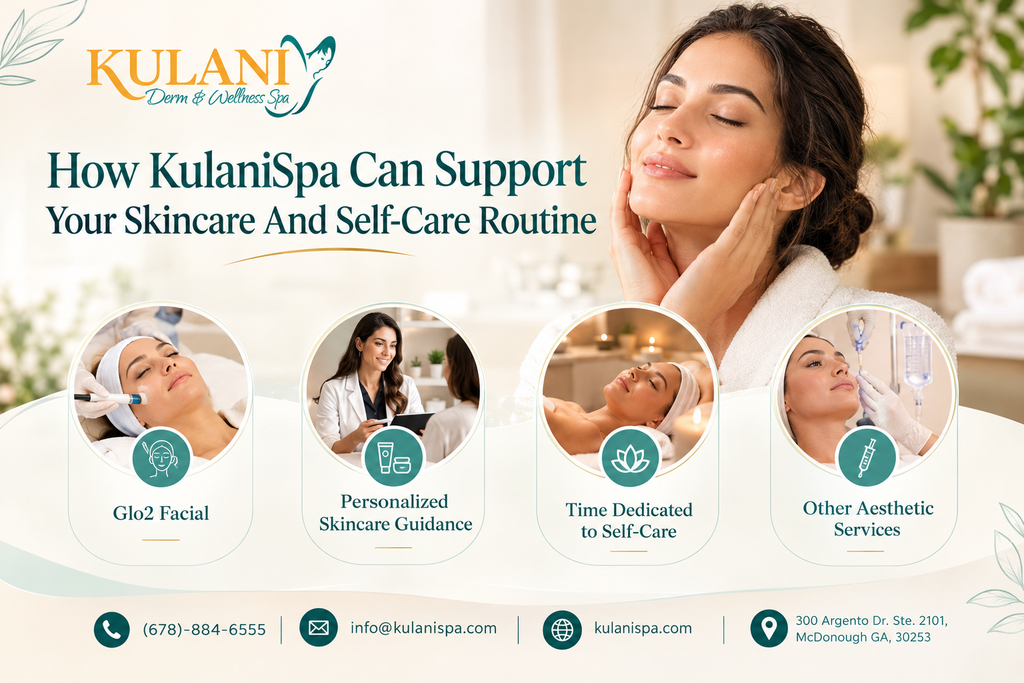
At KulaniSpa, self-care can be an opportunity to dedicate time to your skin and well-being. Whether you are looking to maintain your skincare routine, looking for a new treatment, exploring a professional facial, or learning about aesthetic options, the best starting point is understanding your skin’s individual needs.
The following services may fit into a general skincare routine, depending on suitability, your skin condition, and the advice of a qualified provider.
1. Glo2 Facial
One of the professional facial treatments may be an option for people seeking a structured skincare experience. The Glo2 Facial is designed around facial exfoliation, removing dead skin, moisturizing and hydrating the skin with a careful protocol.
A consultation can help establish whether the treatment is appropriate for your skin type, sensitivity, and goals. If you have active irritation or a diagnosed skin condition, ask your provider whether the procedure should be modified or postponed. Always discuss your skin issues and skin type with your provider when discussing any treatment plan.
2. Personalized Skincare Guidance
Understanding your skin is an important step toward choosing appropriate products and treatments. A professional consultation can help you discuss concerns and choose products according to dryness, dullness, uneven-looking texture, and sensitivity, and understand when medical evaluation may be needed.
The goal is to make informed choices rather than purchase unnecessary products or pursue every new skincare trend.
3. Time dedicated to self-care
A spa appointment can offer a pause from a demanding routine. Some people find a calm treatment environment enjoyable and relaxing, although the experience varies from person to person.
Take time as an opportunity to slow down your routine and take care of your body and eventually feel good.
4. Exploring other aesthetic services
KulaniSpa also offers aesthetic and wellness services, including hydrafacial, microneedling, dermaplaning, radiofrequency treatments, and IV hydration options. These services have different purposes, risks, and eligibility requirements.
They should not be viewed as interchangeable or as proven treatments for mental health. For skin disease, significant acne, persistent rashes, or concerns requiring diagnosis, consult an appropriately qualified medical professional.
A hydra, vampire facial, or spa treatment may help you enjoy a self-care routine, but it cannot guarantee clear skin, lasting confidence, or relief from psychological distress.
Treatment choice should be based on suitability, evidence, consultation, realistic expectations, and informed consent.
When should you seek professional help?
Although everyday habits can support well-being, persistent symptoms should not automatically be attributed to stress.
Consider consulting a dermatologist or other qualified medical professional if you experience:
- Persistent, painful, or scarring acne.
- Recurrent rashes, severe itching, or worsening skin irritation.
- Sudden or unexplained hair loss.
- A skin condition that is not improving with your current routine.
- A skin concern that is affecting your sleep, relationships, or daily activities.
If stress, anxiety, or low mood is persistent, interferes with everyday life, or feels difficult to manage, consider speaking with a mental health professional. You do not have to wait until things become overwhelming to seek help.
Frequently asked questions
Can stress cause acne?
Stress is not the only cause of acne, but it can worsen existing breakouts in people with acne-prone skin. Not only stress but hormonal changes, genetics, oil production, clogged pores, and inflammation also play important roles.
Why is considering skincare important for mental well-being?
A manageable, calming and relaxing skincare routine can provide a sense of consistency and personal care. Addressing skin concerns may also reduce some appearance-related distress, but skincare alone is not a treatment for mental health conditions.
How can good skin boost your confidence?
For some people, feeling more comfortable with their skin can reduce self-consciousness. However, confidence does not depend on flawless skin, and people with all skin types and conditions deserve to feel good about themselves.
Can a facial help you relax?
Some people find a facial relaxing because it offers time away from everyday demands. The experience varies, and a facial should not be considered a proven treatment for anxiety, depression, or other mental health conditions.
Can a Glo2 Facial treat acne caused by stress?
A Glo2 Facial should not be presented as a proven treatment for stress-related acne. If you experience recurring or painful breakouts, consult a qualified health-care professional about evidence-based acne treatments and ask whether a facial is appropriate for your skin.
Final Thoughts
Care for your skin, and be kind to yourself.
This World Mental Health Day, remember that well-being is about more than what you see in the mirror.
The science of the brain–skin axis helps us understand why stress and skin health can influence one another. It also reminds us that visible skin concerns can carry an emotional burden that deserves empathy, not judgment.
Build a skincare routine that makes you feel relaxed, take rest, find healthy ways to manage stress, and seek professional support when needed. If a professional facial is part of how you enjoy self-care, choose a suitable treatment with realistic expectations under guidance.
Interested in Making Time for Your Skin?
At KulaniSpa, your skincare journey can begin with a simple conversation with our expert about your needs, goals, and options. You deserve care that respects both your skin and your overall well-being. If you would like to explore a professional facial or discuss your skincare goals, KulaniSpa can help you get personalized skincare tips to improve your skin health and determine whether a treatment may be suitable for you.
Or contact us using the following information to book your appointment,
KulaniSpa
300 Argento Dr., Ste. 2101, McDonough, GA 30253
Phone: (678) 884-6555
Email: info@kulanispa.com
Your skin does not have to be perfect for you to deserve care, confidence, and kindness.
Written by: Dr. Nimra — Medical Content Writer
Medically reviewed by: Sabina Gordon, FNP-C, APRN, MSN
Last reviewed: October 2026
Disclaimer: This article is for educational and informational purposes only and is not a substitute for any medical or mental health advice. Always consult a qualified healthcare professional before starting a new treatment, particularly if you have a diagnosed skin condition, irritation, or other health concerns.
