

Every November, National Healthy Skin Month reminds us that skin is more than a cosmetic concern. It is your largest organ and your first defense against UV radiation, pollutants, and microbes. As the cold season arrives, Healthy Skin Month is a good time to reset your routine.
Today we are talking about five habits to maintain healthy skin that are supported by dermatology research. You don’t need a 12-step routine or expensive products, just consistency.
1. Wear Broad-Spectrum Sunscreen Every Day
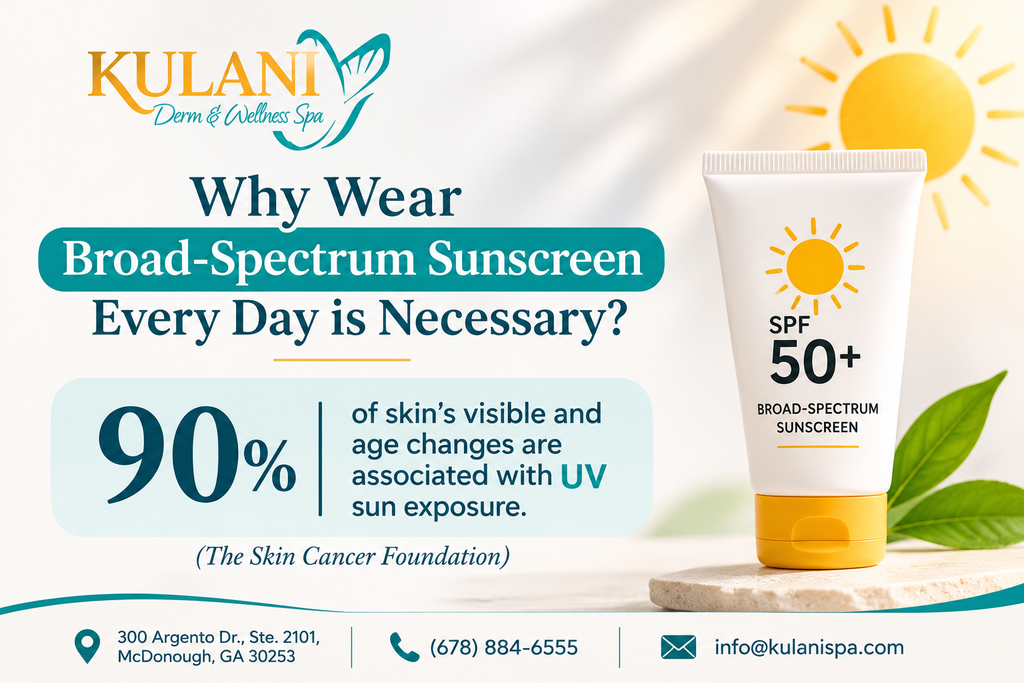
Do you know? The Skin Cancer Foundation has found that up to 90% of skin’s visible and age changes are commonly associated with sun exposure.
Reference: US Environmental Protection Agency (EPA) and the Skin Cancer Foundation (EPA, 2023; Skin Cancer Foundation, 2022)
Many people put their sunscreen away with the summer clothes. That is a mistake because UVA rays, which drive photoaging, remain fairly constant year-round and pass through clouds and window glass.
What the evidence says:
- A randomized trial of 903 adults titled “Sunscreen and prevention of skin aging” in Queensland, Australia, published in Annals of Internal Medicine (2013), found that daily sunscreen users showed about 24% less skin aging over 4.5 years than those who applied it only occasionally.
- The American Academy of Dermatology (AAD) shared a statistic that 20% or 1 in 5 Americans will develop skin cancer by age 70.
How to do it right:
- Choose a broad-spectrum, water-resistant SPF 30 or higher, as the AAD recommends.
- Apply about a teaspoon for the face and neck. Most people use far less than the amount tested in labs, so they get less protection than the label suggests.
- Reapply every two hours when outdoors, and after sweating or swimming. This also helps prevent sunburns.
2. Cleanse Gently and Moisturize to Protect Your Skin Barrier
Your skin’s outer layer, the stratum corneum, works like a brick-and-mortar wall. Skin cells are the “bricks,” and lipids including ceramides, cholesterol, and fatty acids are the “mortar.” When that wall is damaged by harsh cleansing, hot water, or low humidity, skin loses water faster and becomes dry, tight, and irritated.
Facts You Should Know on This Healthy Skin Month
- The surface of healthy skin is mildly acidic, at a pH of 4.7-5.75, according to the dermatology literature. Traditional bar soaps are often alkaline (pH 9-10) and can disrupt this acid mantle.
- Studies of moisturizers containing ceramides, humectants (including glycerin and hyaluronic acid), and occlusives (such as petrolatum) show improved skin-barrier function and reduced dryness.
- Moisturizing is also a cornerstone of eczema care in clinical guidelines.
Practical tips for healthy skin
- Wash your face twice daily. Wash it with a gentle, fragrance-free, pH-balanced cleanser and lukewarm water.
- Apply moisturizer within a few minutes of bathing, while skin is still slightly damp, to help trap water.
- In winter, switch to a richer cream and consider a humidifier indoors.
3. Use Proven Active Ingredients, and Introduce Them Slowly
Social media is full of trending ingredients, but only a few have strong clinical evidence supporting them. It is important to research ingredients before using skin care products.
Ingredients with research support:
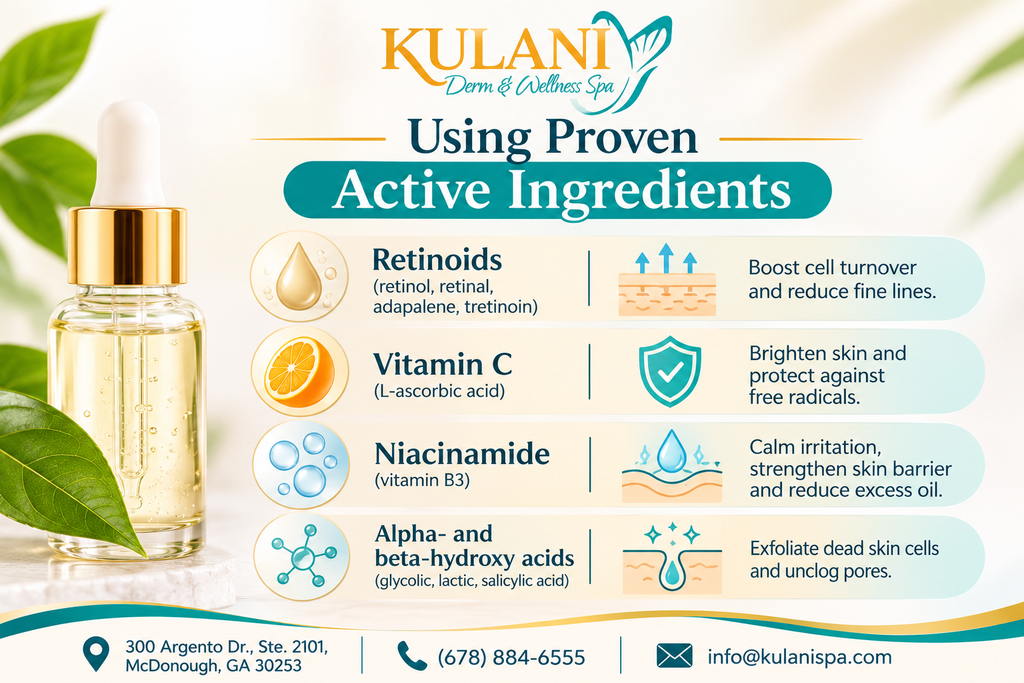
- Retinoids (retinol, retinal, adapalene, tretinoin): Decades of studies show topical retinoids can improve fine lines, uneven pigmentation, and texture, and they are a standard acne therapy. Over-the-counter retinol is milder than prescription forms, so results are slower, but irritation is usually lower.
- Vitamin C (L-ascorbic acid): An antioxidant that helps neutralize free radicals generated by UV exposure and supports collagen formation. It works best alongside sunscreen, not instead of it.
- Niacinamide (vitamin B3): Studies show it can support barrier function, reduce oiliness, and help with uneven tone.
- Alpha- and beta-hydroxy acids (glycolic, lactic, salicylic acid): Gentle exfoliants that help loosen dead skin cells.
The “low and slow” rule: Start with one new product containing any active ingredient as directed by your skin specialist, use it two or three nights per week, and increase only as your skin tolerates it.
Layering several strong actives at once can cause redness, skin peeling, and a damaged or irritated skin barrier. If you’re pregnant or nursing, ask a professional before using retinoids.
Note: Always consult a professional before introducing these active ingredients in your routine.
4. Support Your Skin From the Inside: Sleep, Nutrition, and Lifestyle
Skincare does not stop at the bathroom shelf. But it requires consistency and some lifestyle modifications because your habits show up on your face.
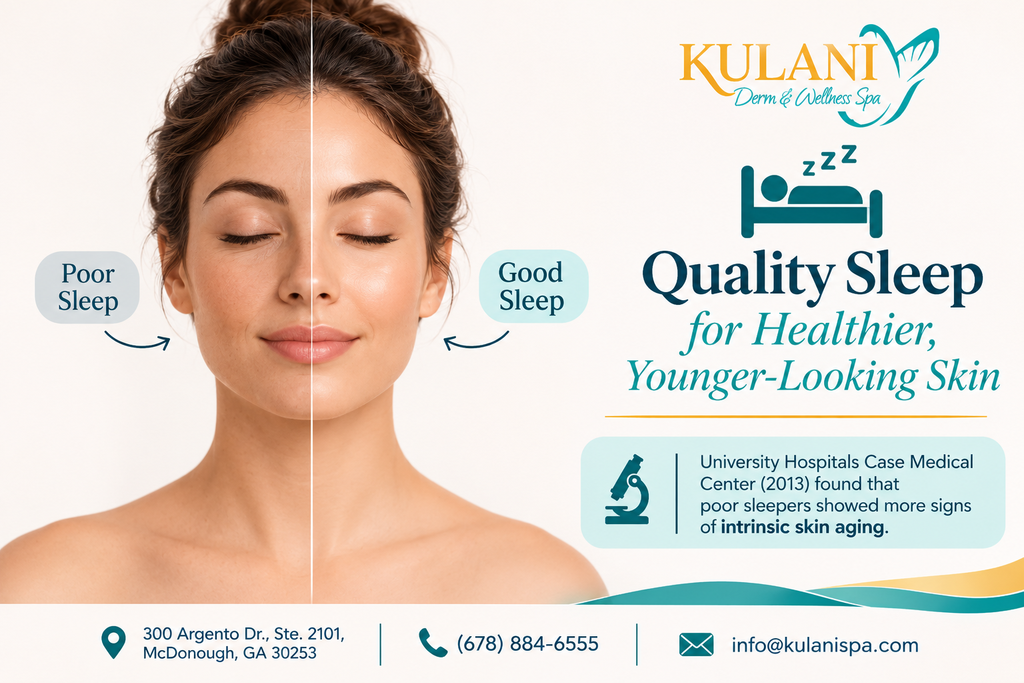
Sleep: Skin repairs itself overnight, and blood flow to the skin increases. A small study conducted by researchers at University Hospitals Case Medical Center (2013) found that poor sleepers showed more signs of intrinsic skin aging and slower recovery from environmental stressors, such as UV exposure, than good sleepers. Most adults need 7-9 hours per night.
Diet: Research on diet and skin is still developing, but several reviews have linked high-glycemic diets (heavy in refined sugars and white carbohydrates) with acne in some people. Diets rich in fruits, vegetables, omega-3 fats, and whole grains support overall health and may benefit skin as well. Foods containing antioxidants clear up stagnation in your liver and blood, allowing fresh blood to circulate in your cells, providing you with healthy molecules, which in turn improve skin conditions. Staying hydrated helps your body function well, though drinking extra water won’t replace a moisturizer.
Smoking: Studies consistently link smoking to premature wrinkling, a duller complexion, and delayed wound healing. Quitting smoking has many benefits for skin, lungs, and heart.
Stress: Chronic stress increases cortisol levels and can worsen conditions such as acne, wrinkles, stress marks, eczema, and psoriasis. Even skin has a direct connection to the mind via the brain-skin axis, which means your overthinking can trigger acne and eczema. Daily movement, breathing exercises, and regular routines can all help.
5. Check Your Skin Regularly and See a Professional
This habit could matter most. Skin cancer is the most common cancer in the United States, according to the AAD, and the World Health Organization estimates that 2 to 3 million non-melanoma skin cancers occur worldwide each year. Melanoma is less common but more dangerous, and early detection greatly improves outcomes.
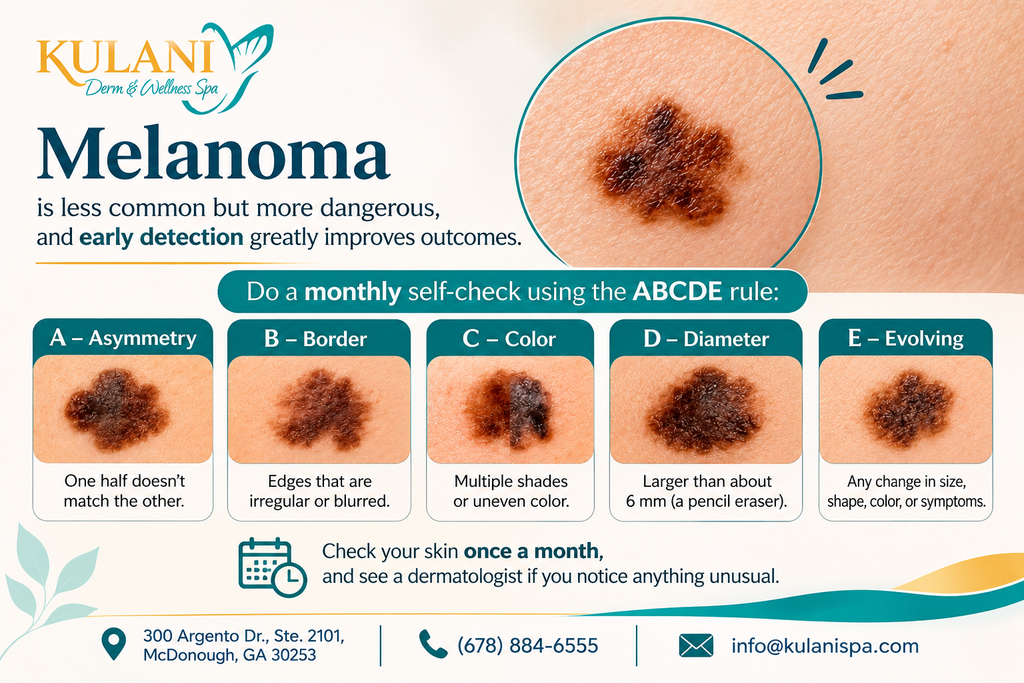
Do a monthly self-check using the ABCDE rule:
- Asymmetry: one half doesn’t match the other
- Border: edges that are irregular or blurred
- Color: multiple shades or uneven color
- Diameter: larger than about 6 mm (a pencil eraser)
- Evolving: any change in size, shape, color, or symptoms
A new, changing, bleeding, or non-healing spot on your skin should be assessed by a qualified medical professional. Beyond self-checks, a professional skin assessment helps you understand your skin type, sensitivities, and the routine that will work best for you.
How Kulanispa Can Support Your Healthy Skin Journey
Knowing the habits is easy; personalizing them is harder. Other factors such as skin type, climate, age, lifestyle, and skin sensitivities all affect which routine works best. At Kulanispa, our experts offer professional treatments and personalized guidance to help you build a routine suited to your skin. Whether you want help choosing skin care products, a deeply cleansing and hydrating facial, or advice on seasonal dryness, we aim to provide care that is safe and grounded in current best practices.
Services and availability vary. Please contact Kulanispa directly to learn about current offerings and to book a consultation.
Contact us using the following information to book your appointment,
KulaniSpa
300 Argento Dr., Ste. 2101, McDonough, GA 30253
Phone: (678) 884-6555
Email: info@kulanispa.com
Your Healthy Skin Month Checklist
- ☐ Apply SPF 30+ every morning
- ☐ Cleanse gently and moisturize twice daily
- ☐ Introduce just one new active ingredient at a time
- ☐ Prioritize sleep, balanced meals, and stress management
- ☐ Do a monthly skin self-check and book a professional assessment
Final Thoughts
National Healthy Skin Month is an invitation to treat your skin as part of your overall health. Daily sun protection, barrier-friendly care, evidence-based ingredients, healthy lifestyle choices, and regular skin checks form a foundation that supports healthy skin for years to come. Small steps this Healthy Skin Month can become lifelong habits.
Disclaimer: This article is for general educational purposes only and does not replace advice from a licensed healthcare provider. Individual results vary. If you have a persistent skin concern, consult a qualified medical professional.
Written by: Dr. Nimra — Medical Content Writer
Medically reviewed by: Sabina Gordon, FNP-C, APRN, MSN
Last reviewed: November 2026
